

Table of Contents
- Why Regular Prong Maintenance Matters for Stone Security
- Signs of Loose Ring Prongs: What to Watch For
- How to Tell If a Gemstone Setting Is Secure
- How Often Should You Have Jewelry Prongs Checked
- What to Do If a Diamond Is Loose in a Setting
- Prong Tightening, Retipping, and Replacement Explained
- Ring Prong Repair Cost and What Affects the Price
- Protecting Your Stones Between Professional Inspections
- Frequently Asked Questions
Last Updated: October 8, 2026
Why Regular Prong Maintenance Matters for Stone Security
The metal prongs holding your stone face constant stress from daily wear. Over time they loosen, bend, or wear down, and when prongs fail, your stone can shift, become damaged, or fall out. Keeping jewelry prongs tightened prevents these disasters.
Regular prong maintenance prevents these disasters.
The stakes are highest with heirloom pieces and engagement rings, irreplaceable, not just expensive. Professional inspection catches wear early, when a simple tightening solves the problem.
Signs of Loose Ring Prongs: What to Watch For
A loose prong often shows warning signs. The stone may move slightly when you tap the ring, or rock in its setting, a subtle wiggle that shouldn't be there.
A faint click or clink when you move your hand means the stone is shifting inside the setting.
Visual inspection reveals other problems:
- Gaps between prong and stone - Light shows where metal should touch the gem
- Bent or misaligned prongs - Metal prongs lean inward or outward unevenly
- Visible wear marks - Scratches or dull spots on prongs from friction
- Prongs that look shorter - Worn-down metal from years of contact with the stone
Don't wait for obvious damage, many stones are lost because owners ignored subtle warning signs for weeks.
How to Tell If a Gemstone Setting Is Secure
A secure setting feels solid and looks balanced: the stone sits centered in its prongs and doesn't shift when gently pressed from different angles.
You can inspect at home: gently press around the stone from different angles with a fingernail or soft tool. A secure stone won't move; a loose one shifts noticeably.
Look for these signs of a healthy setting:
- Tight metal-to-stone contact - No visible gaps or light between prong and gem
- Even prong alignment - All prongs grip the stone at the same height
- No movement when pressed - The stone stays fixed under gentle pressure
- Clean prong surfaces - No scratches, cracks, or visible wear
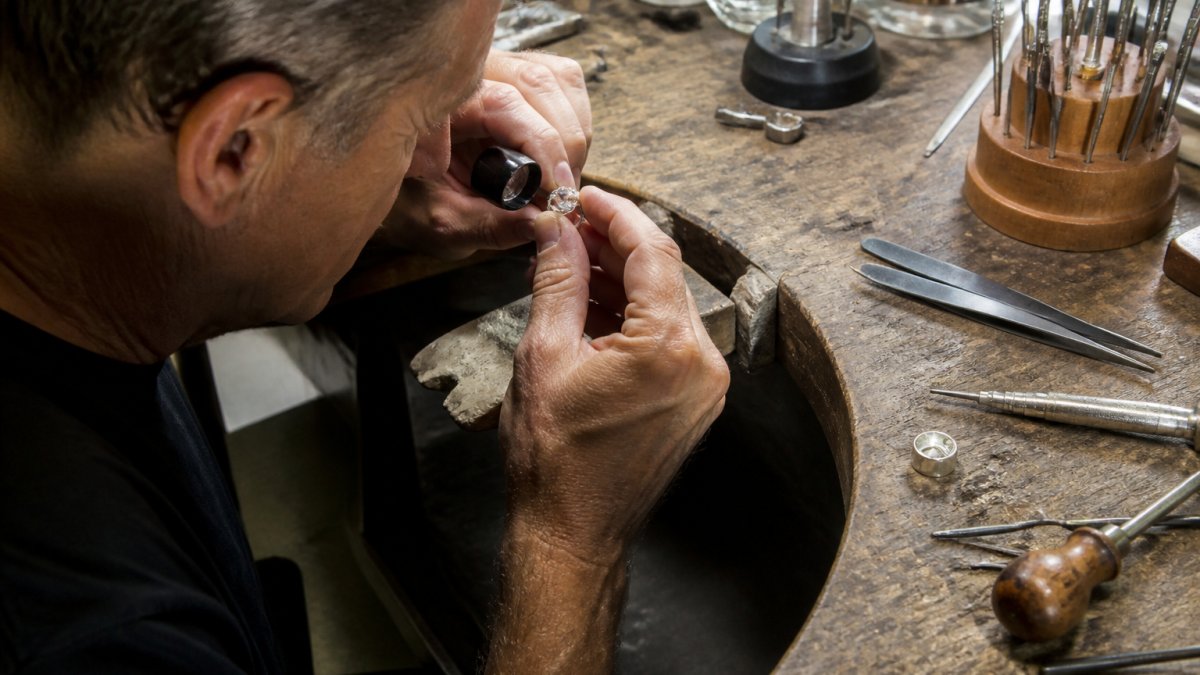
Professional jewelers use magnification to detect problems invisible to the naked eye, what feels secure to you may already have early wear.
How Often Should You Have Jewelry Prongs Checked
The right interval depends on how often you wear the piece, what you do while wearing it, and how the setting is built. Use the table below as a starting point, then adjust based on what your jeweler finds.
A Practical Inspection Schedule
| Wear pattern | Professional inspection | At-home check |
|---|---|---|
| Daily wear, desk or low-impact job | Every 6 months | Monthly |
| Daily wear, active job or regular exercise | Every 4 months | Monthly |
| Daily wear, contact sports or heavy manual work | Every 3 months | Every 2 weeks |
| Worn 4-5 days a week | Every 6-8 months | Monthly |
| Occasional wear (events, weekends) | Once a year | Every 3 months |
| Heirloom or rarely worn pieces | Every 18-24 months | Before each wear |
Two visits a year is the floor most jewelers recommend for a ring you never take off. If you remove it for sleep, showers, workouts, and dishes, that twice-a-year cadence works. Wear it through all of those and tighten the interval.
Why the Interval Changes
Prongs fail from repeated micro-stress, not one big event. Every time the stone shifts a fraction, the metal at the prong tip thins; over months that thinning becomes a crack, and a crack becomes a lost stone. The schedule above front-loads inspections before that point.
Setting style matters too. A four-prong solitaire loads each prong more than a six-prong setting, so it needs more frequent checks. A bezel or channel setting has no exposed prong tips, but the metal rails can still loosen, so annual inspection is worthwhile.
How to Check Prongs Safely at Home
You need no tools, and you should never bend or tighten anything yourself. A safe at-home check takes about 30 seconds:
- Look at the prong tips under bright light. Each tip should sit flush against the stone with no visible gap and no shine-through between metal and gem.
- Check for even height. All prongs should meet the stone at roughly the same level. A prong that looks shorter or flatter than its neighbors is worn.
- Look for cracks, chips, or a dull, flattened tip. A sharp, rounded tip is healthy; a flattened or split tip is not.
- Gently press the stone with a fingernail or a soft wooden toothpick from several angles. A secure stone does not move. Do not use metal tools, and do not push hard.
- Listen. A faint click or tick when you move the piece usually means the stone is shifting inside the setting.
If any check fails, stop wearing the piece and call a jeweler. Do not try to fix it at home.
Calendar Anchors That Actually Work
Most people forget scheduled maintenance. Tie the inspection to events you already track: a birthday, an anniversary, daylight saving time, or your annual physical. Two anchors a year is enough for daily-wear rings. If your jeweler offers a free cleaning and inspection, use it as the reminder, the cleaning is the excuse, the inspection is the point.
What to Do If a Diamond Is Loose in a Setting
Stop wearing the ring immediately if you notice movement.
Contact a jeweler right away, a loose stone needs attention within days, not at your next scheduled inspection.
When you visit, describe what you noticed, movement, clicking, visible gaps, so the jeweler can assess it quickly.
The jeweler will examine the setting under magnification to determine whether the prongs need tightening, adjustment, or replacement.
Don't attempt to tighten prongs yourself, DIY adjustments often cause more damage. Professional jewelers have the tools and experience to fix it correctly.
Prong Tightening, Retipping, and Replacement Explained
These repairs address different levels of prong damage. Knowing the differences helps you understand what to expect when your jeweler recommends a solution.
Prong tightening is the simplest repair.
Prong adjustment (micro-adjustments) involves bending prongs slightly to realign them.
Retipping is needed when prongs are worn, cracked, or damaged beyond tightening.
Prong replacement happens when prongs are severely damaged or broken beyond repair.
The right solution depends on the prong's condition; a jeweler's inspection determines which approach fits your piece.
Ring Prong Repair Cost and What Affects the Price
The quote depends on the repair type, the metal, and how much of the setting must be rebuilt.
Typical Price Ranges
These are common U.S. ranges for independent jewelers and small shops. National chains and high-end designers often charge more; a bench jeweler in a small shop often charges less.
| Repair | Typical range (per prong or per job) | Notes |
|---|---|---|
| Tightening (prongs still structurally sound) | $20-$60 per prong, often $40-$100 for a full ring | Usually done in a day or less |
| Re-tipping (worn or flattened tips) | $30-$75 per prong | Requires soldering new metal to the tip |
| Full prong replacement | $50-$150 per prong | Old prong removed, new one fabricated and set |
| Rebuilding the head (the entire prong assembly) | $150-$500+ | Common on heavily worn solitaires |
| Stone resetting (if the stone must come out) | $50-$200 in addition to prong work | Adds time and risk on fragile stones |
A single loose prong on a simple solitaire is often a $40-$80 visit. A ring that needs four new tips and a reset can run several hundred dollars. Get the quote in writing before work begins.
What Actually Drives the Price
Metal type. Platinum is denser and needs higher heat, so platinum repairs typically cost 20-40% more than the same job in gold.
Number of prongs affected. Most shops quote per prong. A four-prong ring needing all four tips costs roughly four times one tip.
Shop overhead. A mall chain, a downtown designer, and a one-person bench shop all price the same job differently.
Turnaround Expectations
- Simple tightening: same day, often within an hour if you wait.
- Re-tipping one or two prongs: 1-3 business days.
- Full prong replacement or head rebuild: 1-2 weeks, longer if the shop has to order a matching head.
- Stone removal and reset: add 3-7 days to the above.
- Custom or vintage pieces: 2-6 weeks is common, especially if the shop has to fabricate a part.
If a shop quotes "a few weeks" for a simple tightening, ask why.
How to Get a Fair Quote
Ask three questions before leaving the piece:
- Is this tightening, re-tipping, or replacement? The answer tells you whether the prongs are structurally sound or worn past saving.
- Is the price per prong or for the whole job? Per-prong pricing is standard; flat-rate is fine too, but know which you are getting.
- Will the stone need to come out? If yes, ask whether the shop does that in-house or sends it out, and whether the quote includes the reset.
Get the quote in writing, including the metal type for any new tips. A shop that won't put it in writing is one to walk away from.
Protecting Your Stones Between Professional Inspections
Daily habits protect your jewelry between professional check-ups, reducing wear and keeping prongs secure longer.
Remove your ring during activities that stress the setting, exercising, gardening, swimming, manual work.
Store jewelry in a soft pouch or lined box.
Handle your jewelry gently. Avoid bumping your ring against hard surfaces. Don't apply pressure to the stone when cleaning.
Check your jewelry yourself between professional visits.
Have your jewelry professionally cleaned and inspected at least annually.
Loose prongs are preventable problems. Regular inspection catches wear before your stone becomes at risk.
Frequently Asked Questions
How often should you have ring prongs checked?
Rings worn daily should be inspected every 6-12 months. Engagement rings and pieces subjected to frequent contact with hard surfaces benefit from annual professional checks. If you notice any visible movement, gaps, or changes in how the stone sits, schedule an inspection immediately rather than waiting for your next routine appointment. Lifestyle and wear patterns matter, active wearers need more frequent checks than those who wear jewelry occasionally.
What are the signs of loose ring prongs?
A stone that moves or rocks slightly when you gently press it is the clearest sign. You may notice visible gaps between the prongs and the stone, or the prongs themselves may appear bent or misaligned. Some people feel the stone shift when wearing the ring, or notice it catching on fabric. Worn or flattened prong tips, visible scratches on the metal, and a change in how the setting looks are also warning signs that prongs need professional attention.
Can you safely check jewelry prongs at home?
You can perform a basic visual inspection and gentle movement test at home. Look for visible gaps, bent prongs, or changes in the stone's position. Gently press the stone from different angles to feel for movement, but avoid excessive pressure, which could cause damage. If you spot anything unusual, stop and contact a professional jeweler. A home check is a helpful early warning system, but professional inspection with proper tools reveals wear and issues you cannot see with the naked eye.
What should you do if your diamond feels loose in its setting?
Stop wearing the ring immediately to prevent the stone from falling out or the setting from sustaining further damage. Place the ring in a safe location, a jewelry box or small padded container. Contact a professional jeweler as soon as possible for an inspection and repair. Do not attempt to tighten the prongs yourself. Depending on what the jeweler finds, the stone may need retightening, the prongs may require retipping, or in some cases the stone may need to be reset. Quick action prevents loss and more costly repairs.