

Table of Contents
- What Happens When a Gemstone Becomes Loose
- Signs of Worn Jewelry Prongs and When to Act
- How to Tell If a Gemstone Setting Is Secure
- Cost to Tighten a Loose Stone in a Ring
- Repair Versus Replacement: A Practical Decision Framework
- Repairing Worn Prongs and Damaged Settings
- Protecting Your Gemstone After Repair
- Frequently Asked Questions
Last Updated: October 8, 2026
What Happens When a Gemstone Becomes Loose
A loose gemstone is one of the most common jewelry problems, yet many people don't realize how quickly it can escalate from a minor issue to a complete loss, which is why understanding whether is it worth repairing a loose gemstone matters. When a stone begins to shift in its setting, the metal prongs or bezels that hold it in place have started to fail. This happens gradually at first, then accelerates. Understanding what causes this problem is the first step toward protecting your jewelry.
How loose prongs cause a stone to fall out
Prongs are thin metal fingers designed to grip and hold a gemstone securely. When they wear down, bend, or crack, they lose their grip. Daily wear, washing hands, bumping against surfaces, even sleeping, creates micro-movements that stress the prongs. Over time, these repeated stresses cause the metal to fatigue and weaken.
Once a prong begins to fail, the stone shifts slightly with each movement. This movement accelerates the wear on the remaining prongs, creating a domino effect. A stone that feels slightly loose today can fall out within weeks if left unrepaired. The gemstone itself doesn't change, but the setting that protects it deteriorates rapidly once the process begins.
Risks of wearing jewelry with a loose gemstone
Wearing a piece with a loose gemstone carries real risks beyond losing the stone. First, there's the obvious danger of complete loss, your gemstone could fall out anywhere, and recovery becomes nearly impossible. Second, continued wear can damage the setting itself. As the stone moves, it can scratch or gouge the metal band, requiring more extensive repairs later.
There's also the risk of the stone cracking or chipping if it's moving freely inside the setting (gia.edu). The gemstone, now unsupported, can strike the metal edges during movement, creating stress fractures that may not be visible immediately. A stone that falls out of a secure setting can often be reset. A stone that has cracked during loose wear may be beyond repair.
Signs of Worn Jewelry Prongs and When to Act
Identifying worn prongs early prevents loss and additional damage. The most obvious sign is visible movement, if you can see the stone shift when you gently press it, the setting is compromised.
Listen for subtle sounds, too. A faint clicking or rattling when you move your hand suggests the stone is moving inside the setting. Some people notice the stone catches slightly on clothing or feels different when wearing the piece. These are all signals that professional inspection is overdue.
The longer you wait after noticing these signs, the more damage accumulates. A prong that's merely worn thin can be tightened relatively quickly. A prong that's cracked or severely bent requires replacement, which is more complex and costly. Acting within days or weeks of noticing movement keeps repair options open and costs manageable.
How to Tell If a Gemstone Setting Is Secure
A secure gemstone setting holds the stone completely still. When you gently press the stone from different angles, it should not move at all. The prongs should be smooth, intact, and snug against the stone. There should be no gaps between the metal and the gemstone.
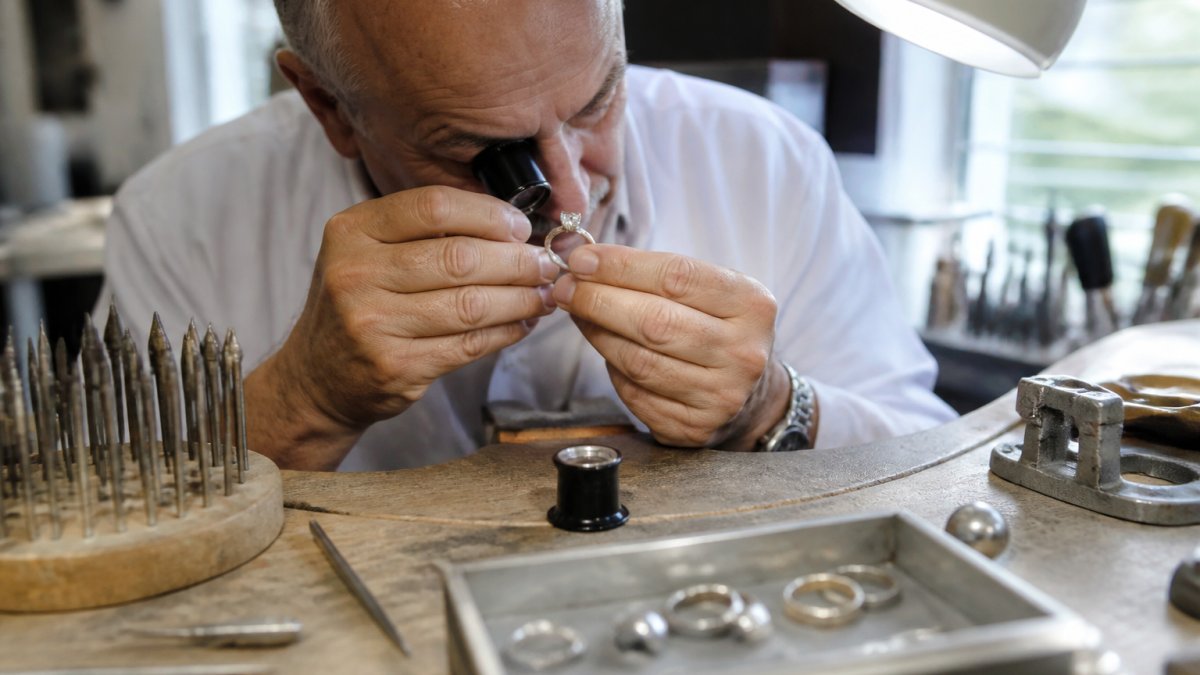
Professional inspection and jewelry maintenance
A professional jeweler can assess your setting in minutes using tools and expertise you don't have at home. At Josef & Joseph, we examine each piece under magnification to identify wear that's invisible to the naked eye.
Regular professional inspections catch problems early. Most jewelers recommend regular inspections for pieces worn daily, and inspections every two to three years for occasional-wear pieces. During an inspection, a jeweler can tighten loose prongs before they fail, replace worn prongs before they break, and identify setting damage before it affects the stone.
Professional maintenance also includes cleaning and polishing, which lets you see your setting clearly. You might notice wear or damage during routine cleaning that you'd miss otherwise. A transparent, no-commitment consultation allows you to understand exactly what your piece needs and what it will cost.
Cost to Tighten a Loose Stone in a Ring
The cost to tighten a loose stone varies based on what the jeweler finds during inspection. A simple prong tightening, where the existing prongs are gently compressed to grip the stone more securely, typically costs less than a full prong replacement. However, the final cost depends entirely on the condition of the metal and the complexity of the setting.
What drives repair complexity and pricing
Several factors determine whether a repair is straightforward or complex. The type of metal matters: gold and platinum are more forgiving and easier to work with than some other alloys. The design of the setting also affects cost.
The condition of the prongs themselves is critical. If the prongs are merely worn thin, tightening is quick. If they're cracked, bent beyond recovery, or partially broken, they need to be replaced.
The gemstone's size and shape also play a role. Larger stones require more precise work and more time. Unusual shapes, like marquise or pear cuts, need custom prong angles. Some stones are more fragile than others.
The jeweler's experience matters, too. A craftsperson trained in European techniques, like those at Josef & Joseph, takes time to ensure the work is done correctly and will last.
Repair Versus Replacement: A Practical Decision Framework
Deciding whether is it worth repairing a loose gemstone requires weighing several practical factors. This isn't always an emotional decision, sometimes the numbers make the choice clear.
When tightening prongs and resetting stones makes sense
Repair makes sense when the gemstone itself is in good condition and has sentimental or monetary value. A family heirloom, an engagement ring with personal meaning, or a high-quality gemstone justifies the cost of repair. If the stone is secure and beautiful, and only the setting needs work, repair preserves what matters most.
Repair also makes sense economically when the gemstone is valuable and the setting damage is contained. A loose stone in an otherwise sound setting costs less to fix than replacing the entire piece.
14K White Gold Diamond Filigree Ring →
Repair becomes less practical when the setting itself is severely damaged. If the band is thinning dangerously, if multiple prongs are failing, or if the overall design is compromised, the cost of restoring the piece might approach or exceed the cost of creating something new. In these cases, replacement or redesign becomes the smarter choice.
When replacing a lost gemstone is the better choice
If your gemstone has already fallen out and you've recovered it, you face a clear decision: reset it or replace it.
However, if the stone is damaged, cracked, chipped, or heavily scratched, replacement might be necessary. A damaged stone cannot be restored to its original appearance, and wearing a visibly flawed stone may not satisfy you.
If your gemstone is lost and unrecoverable, replacement is your only option. A custom engagement ring like the 14K White Gold Diamond Filigree Ring offers the opportunity to select a new stone that matches your preferences and budget.

Time also factors into the decision. If you need the piece repaired or replaced quickly, replacement might be faster than tracking down a matching stone and resetting it.
Repairing Worn Prongs and Damaged Settings
When your jeweler confirms that repair is the right choice, the process depends on the extent of the damage.
If prongs are cracked or broken, they must be replaced. The jeweler removes the stone carefully, cuts out the damaged prong, and fabricates a new one that matches the original in material, thickness, and angle.
For settings with broader damage, like a thinning band or multiple failing prongs, the repair becomes more involved. The jeweler may need to reinforce the band, add metal to areas that have worn too thin, or redesign the setting to make it more durable.
The jeweler's skill directly affects the longevity of the repair. A well-executed repair can last decades. This is why choosing a jeweler with proven expertise and a commitment to quality matters.
Protecting Your Gemstone After Repair
Once your gemstone has been repaired, protecting it prevents the problem from recurring. Remove jewelry before activities that stress the setting: washing dishes, exercising, gardening, or sleeping.
Store your jewelry carefully. Keep pieces separate so they don't scratch or bump each other. A soft jewelry box or pouch prevents unnecessary contact. When traveling, use a protective case designed for jewelry.
Clean your jewelry gently. Avoid harsh chemicals or ultrasonic cleaners that can stress the setting. Warm soapy water and a soft brush are sufficient for most pieces.
Schedule regular inspections. Regular check-ups for daily-wear pieces catch wear early, before it becomes serious. A jeweler can tighten prongs before they fail, preventing the need for more extensive repairs.
Handle your jewelry mindfully. Even after repair, a loose gemstone setting is a reminder that jewelry requires care.
A loose gemstone doesn't have to mean the end of your piece. At Josef & Joseph, we specialize in restoring pieces that other shops decline, including complex vintage settings and heirloom jewelry that demands precision and care. The Gemological Institute of America provides guidance on gemstone care and setting durability.
| Repair Scenario | Best Choice | Why |
|---|---|---|
| Stone is loose, prongs are worn but intact | Tighten prongs | Quick, affordable, preserves the piece |
| One or two prongs are cracked or broken | Replace damaged prongs | Restores security without full redesign |
| Stone is lost, original recovered | Reset the original stone | Costs less than replacement |
| Stone is damaged (cracked, chipped) | Replace the stone | Damaged stone cannot be restored |
| Multiple prongs failing, band is thinning | Redesign or replace the piece | Repair costs approach or exceed replacement |
| Sentimental heirloom with minor wear | Repair and maintain | Preserves meaning and history |
Frequently Asked Questions
How do I know if my gemstone setting is secure?
A secure gemstone setting should show no visible movement when you gently press the stone with your finger. Look for prongs that sit flush against the stone with no gaps, and check that the metal band shows no signs of wear or thinning. If the stone moves at all, or if you notice bent or flattened prongs, have a jeweler inspect it immediately. Regular professional checks catch loose stones before they fall out and cause permanent loss.
What is the average cost to tighten a loose gemstone?
The cost to tighten loose prongs varies depending on the stone size, setting type, and metal used. More complex repairs, such as resetting a stone, replacing worn prongs, or repairing damaged metal, will also vary. The final cost depends on whether the jeweler can simply tighten existing prongs or must rebuild the setting. Always request a repair estimate before work begins so you can understand the options.
What are the signs of worn jewelry prongs?
Worn prongs often appear flattened, thinned, or bent rather than sharp and upright. You may see visible gaps between the prong and the gemstone, or the prongs may look dull or scratched compared to the rest of the setting. If the ring band itself is visibly thinner or shows deep scratches, the prongs are likely worn as well. A jeweler can confirm wear with magnification and advise whether simple tightening will hold or if the prongs need to be rebuilt or replaced.
Is it worth repairing a loose gemstone if it's an heirloom or vintage piece?
Yes, for heirloom and vintage pieces, repair is almost always worth the cost. These items carry sentimental and historical value that far exceeds the repair expense. A skilled jeweler can tighten prongs, reset stones, or rebuild damaged settings while preserving the original design and integrity of the piece. Allowing an heirloom to deteriorate risks permanent loss of the gemstone and damage to irreplaceable metalwork. Professional repair ensures your family treasure survives for future generations.