

Table of Contents
- Why Jewelry Settings Matter for Active Lifestyles
- Bezel vs Prong Setting Durability: Which Wins for Daily Wear
- Channel Settings for Security and Protection
- How to Tell If a Gemstone Setting Is Secure
- Metal Choices: 14K vs 18K Gold and Platinum for Active Wear
- Jewelry Maintenance for Active Lifestyles
- Matching Settings to Your Activity Level
- Conclusion
- Frequently Asked Questions
Last Updated: September 30, 2026
Why Jewelry Settings Matter for Active Lifestyles
The setting determines whether a stone stays secure for decades or falls out in months.
Active lifestyles demand more from jewelry. Your hands hit countertops, grip equipment, and brush against doorframes, each impact stresses the prongs or bezels holding your stone. A beautiful setting in a jeweler's case may fail under real-world conditions.
The pattern is consistent: someone chooses a setting based on aesthetics alone, wears it daily, and within months the stone is loose or gone. Repair costs, resetting, repairing bent prongs, fabricating missing components, often exceed what a better setting would have cost upfront.
The best jewelry settings for active lifestyles prioritize security and durability without sacrificing beauty. This guide breaks down the settings that actually hold up, the metals that resist damage, and how to match your jewelry to your real life rather than a fantasy version of it.
Bezel vs Prong Setting Durability: Which Wins for Daily Wear
The two dominant settings for gemstones couldn't be more different in how they protect your stone.
Prong settings grip the stone with thin metal claws (typically four, six, or eight). They're elegant and show off the stone, but expose it to direct impact. If prongs are thin or bent, the stone can shift or fall out. Thicker prongs (1.5mm or wider) and more prongs distribute stress more evenly.
Bezel settings wrap metal around the stone's edge, creating a protective wall. The stone sits lower, nothing protrudes to catch, and the metal shields the girdle, the widest, most vulnerable part. A bezel absorbs hits that would bend prong claws.
For active lifestyles, bezel settings win on durability, the stone is protected on all sides and can take impacts that would damage prong designs.
Prong settings aren't inherently unsafe if executed properly with thicker prongs, more prongs, and regular inspection. The trade-off: bezel gives more margin for error; prong requires more vigilance.
Channel Settings for Security and Protection
Channel settings sit between bezel and prong in protection. Stones are set into a groove with metal walls on both sides, popular for tennis bracelets and eternity rings where multiple stones need secure mounting.

Channel strength depends on wall height and stone depth. Deeper channels offer more protection; shallower channels expose more stone to snagging. For active wear, stones should sit well below the metal rim.
Channel settings excel at preventing stone loss, if one wall is damaged, the opposite side and channel floor still hold the stone. The downside: they're harder to resize or repair.
For someone with an active lifestyle, a channel setting on a bracelet or band is an excellent choice. The stones are protected, the design is durable, and the continuous metal structure distributes stress evenly across all the stones.
How to Tell If a Gemstone Setting Is Secure
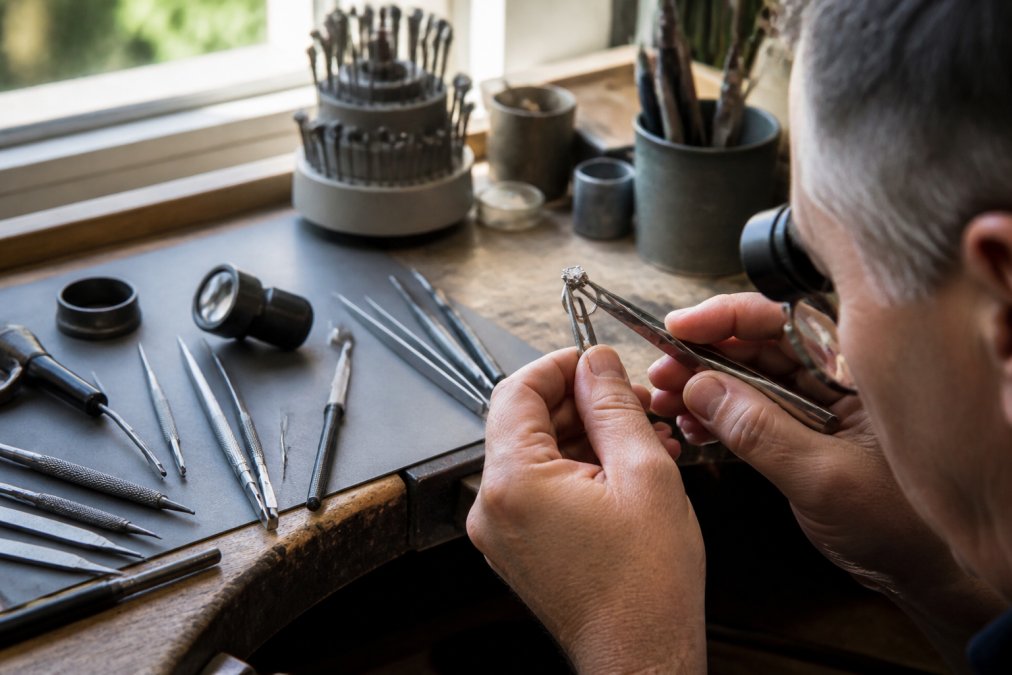
Look at the prongs or metal edges. Bent prongs mean the stone has shifted under stress. Straight, tight prongs are the baseline.
Check for movement. Gently wiggle the stone with your finger, it should not move at all. Any play means the setting is loose.
Examine the solder joints. Look for cracks or gaps where the setting connects to the band; solder can fail under repeated stress.
Feel the setting height. Metal should sit flush with or slightly recessed from the stone, not protruding above it.
Look for missing metal. Prongs should be complete and evenly spaced.
If you notice any of these issues, have the piece inspected by a professional before wearing it daily.
Metal Choices: 14K vs 18K Gold and Platinum for Active Wear
The metal holding your stone matters as much as the setting design. Different metals have different hardness, durability, and resistance to damage.
14K gold is 58% pure gold mixed with other metals for strength (Buying Platinum, Gold, and Silver Jewelry). It's harder and more durable than 18K, resists scratching and denting better, and is the practical choice for active lifestyles.
18K gold is 75% pure gold, making it softer than 14K and easier for jewelers to work with. It shows wear more visibly, expect scratches and dents within a few years of active daily wear.
14K Yellow Gold Diamond Tennis Bracelet →
Platinum is the hardest precious metal, denser and more resistant to deformation than gold. It holds prongs tighter and resists bending under impact. The downside: significantly more expensive and heavier to wear.
For active lifestyles, 14K gold offers the best balance of durability, cost, and wearability. Platinum is superior if budget allows. 18K gold works if you're willing to accept visible wear or if your activity level is moderate.
Jewelry Maintenance for Active Lifestyles
Even the best setting requires maintenance. Regular care prevents small problems from becoming catastrophic ones, and protects your insurance coverage.
Monthly inspection. Check for loose stones, bent prongs, or visible wear. Take dated photos, if you file an insurance claim, insurers ask whether you maintained the piece properly. Monthly photos prove you did.
Professional cleaning. Dirt, sweat, and soap buildup weaken the metal-stone bond. Have pieces cleaned every three to six months if worn daily. Keep receipts, they document maintenance for insurance purposes.
Annual professional inspection. A jeweler can spot microscopic cracks in solder, thin prongs, and loosening settings before failure. Request a written report, it's critical for insurance claims.
Avoid extreme conditions when possible. Remove jewelry during contact sports or heavy lifting. Some insurance policies exclude damage from "high-risk" activities, check your policy to avoid voiding coverage.
Know your insurance, and its limits. Standard homeowner's or renter's insurance typically caps jewelry coverage at $1,500 to $2,500 total. If your ring is worth $8,000, you need a scheduled personal property rider or separate jewelry insurance policy to cover the full value.
Scheduled personal property riders require an appraisal ($200-$500) documenting the stone's characteristics, setting condition, and replacement value. Once scheduled, the piece is covered for its full appraised value, usually with no deductible.
Jewelry-specific insurance policies (Jewelers Mutual or through your homeowner's insurer) often cover loss, theft, damage, and normal wear. Some cover mysterious disappearance. Premiums are usually 1-2% of appraised value annually.
Active-lifestyle exclusions and what they mean. Some policies exclude damage from "high-risk activities" like contact sports, heavy labor, and water sports. Before buying, ask explicitly: "Does this cover damage while wearing jewelry during [your specific activities]?" Get the answer in writing. If excluded, either remove jewelry during those activities, switch insurers, or self-insure.
Warranty implications of active wear. Many jewelers offer 1-5 year warranties for manufacturing defects, but active wear can void them. Impact damage isn't covered; defects in metal thickness or stone setting are. Ask the jeweler to specify coverage in writing. For active lifestyles, choose jewelers offering extended warranties (3+ years) that explicitly cover normal wear and minor damage.
Documentation for claims. Keep the original appraisal, dated photos, receipts from cleanings and inspections, a written description of damage, and a repair estimate. Store in a safe deposit box or cloud storage. You'll need to provide this to your insurer within 30-60 days of damage.
The real cost of active wear. Active wear increases long-term costs: more frequent inspections, cleaning, repairs, and higher insurance premiums. Before wearing an expensive piece during active activities, calculate total cost: piece value plus annual insurance plus maintenance. If too high, consider a less expensive piece designed for active wear.
Matching Settings to Your Activity Level
The right setting depends on what you actually do. A yoga instructor, construction worker, and competitive swimmer all have active lifestyles, and need completely different jewelry strategies.
Weightlifting and strength training. Repetitive grip force creates compression and vibration. A low-profile bezel setting is essential, prongs bend under sustained pressure. Avoid channel settings on rings; the continuous metal transmits vibration to the stone. Use 14K gold or platinum only; 18K shows visible deformation within weeks.
Swimming and water sports. Chlorine, saltwater, and temperature changes stress solder joints. Bezel settings are safer than prongs, fewer joints and less exposed metal. Platinum resists corrosion better than gold; 14K resists better than 18K. Remove jewelry if possible; if worn, inspect every three months instead of annually.
Contact sports (boxing, martial arts, rugby, soccer). Direct impact to the hand is the primary risk. A stone can absorb a blow that would bend prongs or crack a setting. Bezel settings with thick metal walls (at least 2mm) are non-negotiable. A flush or slightly recessed bezel is safer than a high-profile one. Consider removing the ring entirely during contact, no setting is impact-proof if the force is severe enough.
Conclusion
The best jewelry settings for active lifestyles prioritize security and durability without sacrificing the beauty of your piece. Whether you choose a protective bezel setting, a secure channel design, or reinforced prongs, the goal is the same: keeping your stone safe through daily wear and impact.
Frequently Asked Questions
Which ring settings are most durable for daily wear?
Bezel and channel settings offer superior durability for daily wear because they wrap protective metal around the gemstone, reducing snagging and impact risk. Flush settings sit level with the band, eliminating protrusion. Prong settings, while beautiful, expose more of the stone and require regular professional inspection. For active lifestyles, bezel and channel settings minimize the chance of stone loss or damage.
How can I tell if my gemstone setting is secure?
A secure setting shows no movement when you gently wiggle the stone with your finger. Examine the prongs or metal holding the stone for bent, worn, or missing sections. Look for gaps between the metal and stone. If you notice any looseness, discoloration around the base, or visible wear on the prongs, schedule a professional inspection immediately. Professional cleaning can also reveal hidden damage that affects security.
How often should I have my jewelry settings inspected by a professional?
For jewelry worn daily, have settings inspected every 6 to 12 months. Active individuals should inspect more frequently, every 3 to 6 months, since physical activity increases impact and snagging risks. Professional inspection catches wear early, prevents stone loss, and maintains structural integrity. Regular maintenance costs far less than replacing a lost gemstone or repairing a damaged setting.
Are prong settings safe for active lifestyles?
Prong settings are less ideal for active lifestyles because prongs extend above the band and can catch on clothing, skin, or equipment during physical activity. While beautiful, they expose more of the gemstone to impact and snagging. If you prefer prong settings, choose thicker prongs, ensure they are properly maintained, and schedule frequent professional inspections. Bezel or channel settings offer better protection for those with highly active routines.