

Table of Contents
- Why Heirloom Pearl Necklaces Need Special Storage
- 1. Choose Breathable Fabric: Silk Pouches and Chamois
- 2. Avoid Plastic and Airtight Containers
- 3. Store Flat vs. Hanging: What Works Best
- 4. Separate Pearls from Hard Gemstones and Metals
- How to Clean Heirloom Pearls Before Storage
- How to Tell If a Gemstone Setting Is Secure
- 5. Control Temperature and Humidity in Your Storage Environment
- Frequently Asked Questions
Last Updated: September 25, 2026
Why Heirloom Pearl Necklaces Need Special Storage
Heirloom pearl necklaces are strands of organic gemstones formed from nacre, the same material that gives pearls their creamy luster. That organic origin is exactly why they need different care than gold or diamonds. At Josef & Joseph, we've handled enough fragile, vintage pieces to know that most damage happens quietly, in a drawer, long before anyone notices.
Pearls are soft. They scratch easily, and they dry out when the air around them is too dry or too sealed (Pearl Care and Cleaning Guide). Store heirloom pearl necklaces the wrong way for a few years and you'll see dull spots, cracked nacre, and stretched silk. Store them well and they can stay wearable for generations.
Gemological Institute of America's pearl care guidance notes that pearls are softer than most gemstones and rank low on the Mohs hardness scale, which is why abrasion and chemical exposure cause so much harm. Below, we'll show you exactly how to store heirloom pearl necklaces so they hold their value and their beauty.
The Science of Dehydration in Organic Gemstones
Dehydration is the slow loss of moisture from a pearl's nacre layers. Unlike hard gemstones, pearls contain water and organic material. When the air around them stays too dry, that moisture leaves.
The result is visible. The surface dulls, fine cracks can form, and the pearl loses the soft glow that makes it valuable. This is why airtight containers and dry rooms are a problem, not a solution. Pearls need a little moisture balance in the air, not zero.
How to Visually Identify Damage from Poor Storage
Damage from bad storage is usually easy to spot once you know what to look for. Check your heirloom pearl necklaces under bright, natural light and look for these signs:
- Dull or chalky patches where the luster has faded
- Fine cracks or crazing on the surface of the nacre
- Yellowing that won't wipe off with a soft cloth
- Stretched or frayed silk between the pearls
- Loose knots or gaps where the strand has relaxed
- Dark rings around the drill holes
If you see any of these, stop wearing the piece and get it checked. A jeweler can tell you whether cleaning, restringing, or a full restoration is the right move.
1. Choose Breathable Fabric: Silk Pouches and Chamois
The best storage material for heirloom pearl necklaces is a breathable fabric like silk or chamois. These materials let air circulate while cushioning the pearls against abrasion.
A silk pouch or a soft chamois cloth keeps dust off without trapping moisture. That balance is the whole point. Velvet-lined jewelry boxes work well too, as long as the pearls sit in their own soft compartment.

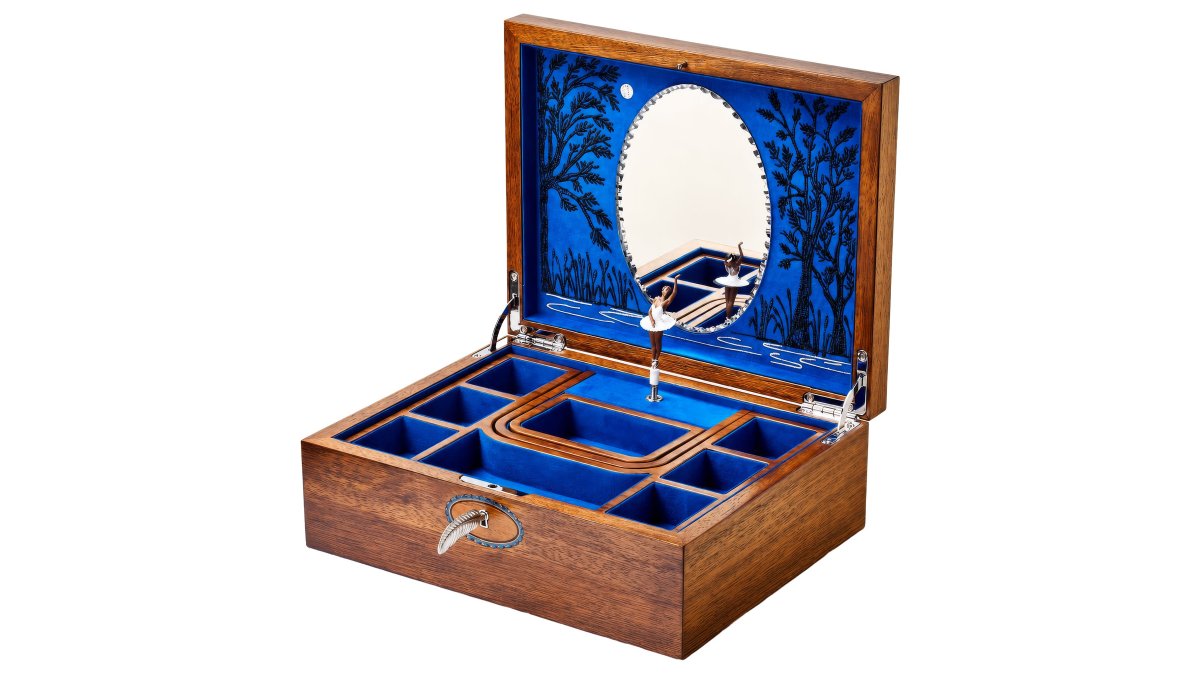
2. Avoid Plastic and Airtight Containers
Plastic bags and airtight containers are the wrong choice for pearls. They trap chemical residue and stop air circulation, which speeds up dehydration and can cause oxidation.
Many plastics also release gases over time.
3. Store Flat vs. Hanging: What Works Best
Store heirloom pearl necklaces flat, not hanging. Hanging puts constant tension on the silk thread and the knots, which stretches the strand over time.
| Storage Method | Best For | Main Risk |
|---|---|---|
| Flat in a pouch or box | Long-term storage | None if fabric is breathable |
| Hanging on a hook | Short-term display | Silk stretch and knot strain |
| Plastic bag | Never recommended | Trapped moisture and chemical residue |
4. Separate Pearls from Hard Gemstones and Metals
Pearls should never share a compartment with hard gemstones or metal chains. Diamonds, sapphires, and gold clasps are harder than nacre and will scratch it through simple contact.
How to Clean Heirloom Pearls Before Storage
Cleaning before storage is standard advice, and the basics are simple: a soft, damp cloth, one pearl at a time, no chemicals. What most guides skip is the heirloom question, what to do when the strand is old enough that cleaning itself carries risk.
The Standard Routine
- Use a soft, lint-free cloth dampened with plain, lukewarm water. Microfiber or well-worn cotton both work.
- Wipe each pearl gently, working around the drill holes where skin oils and cosmetics collect.
- Do not soak the strand. Water that reaches the silk can weaken it and encourage mildew.
- Dry with a second soft, dry cloth, then let the strand rest flat for at least an hour before it goes back into storage.
- Never use ultrasonic cleaners, steam cleaners, ammonia, alcohol, acetone, or commercial jewelry cleaner. These strip nacre and can dull a strand permanently.
When Cleaning Is the Wrong Move
On an heirloom strand, some conditions mean you should not clean at all, you should stop and get the piece assessed.
- Crazing or visible surface cracks. Once nacre has crazed, wiping can lift flakes. Leave it alone.
- Yellowing that does not lift with a damp cloth. This is usually oxidation inside the nacre, not surface dirt. Polishing will not fix it and may make it worse.
- Frayed or discolored silk. If the thread is compromised, any handling risks dropping pearls. Restring first, clean later.
- A loose or damaged clasp. Do not manipulate a clasp you suspect is failing just to clean around it.
- Pearls that feel tacky or have a chalky film. This can indicate a previous coating or treatment. A jeweler should identify it before you touch it.
Cleaning Around a Gem-Set Clasp
Heirloom strands often have a decorative clasp, a diamond, a sapphire, a cameo, or an enamel piece. Clean the pearls with the damp cloth as usual, but clean the clasp separately and carefully. Use a dry soft brush for metal crevices, and avoid getting water into enamel or into a setting where moisture can sit against the metal. If the clasp has stones, check the settings for movement before and after cleaning.
What to Do About the Silk
While you clean, inspect the silk between each pair of pearls. Look for:
- Stretching or gaps where the knots have relaxed
- Discoloration or darkening of the thread
- Fraying near the clasp, where wear concentrates
- Knots that have slipped or untied
A Note on Professional Cleaning
For a strand with significant value or age, a professional cleaning and inspection once a year is worth the cost. A jeweler can clean nacre without risking the silk, identify treatments or coatings you may not know about, and tell you whether the piece needs restoration or simply better storage. Ask for a written assessment you can keep with the piece, it becomes part of the heirloom's record for the next generation.
How to Tell If a Gemstone Setting Is Secure
Knowing how to tell if a gemstone setting is secure matters for any piece with a clasp, stone, or decorative element. A loose setting can drop a stone without warning.
5. Control Temperature and Humidity in Your Storage Environment
A stable storage environment is the single biggest factor in long-term pearl care. Aim for a cool, moderate room with steady humidity and no direct sunlight.
- Keep the room cool and out of direct sun
- Avoid heaters, vents, and drafty windows
- Use a breathable pouch inside a lined box, not a sealed container
- Check stored pieces every few months for early signs of damage
Frequently Asked Questions
How should I store my pearl necklaces to prevent damage?
Store heirloom pearl necklaces flat in a breathable silk pouch or a velvet-lined compartment, away from hard gemstones that can scratch the nacre. Avoid plastic bags and airtight containers, which trap moisture and can cause dehydration. Keep them in a stable environment with moderate humidity, and separate them from metal chains to prevent abrasion. For long-term storage, use a compartmentalized jewelry box with a soft lining.
Do pearls deteriorate if they are not worn regularly?
Yes, pearls can deteriorate if not worn. They are organic gemstones that need moisture from natural skin oils and humidity to maintain their creamy luster. Without periodic wear, pearls can dehydrate, leading to dullness, cracking, or surface damage. If you store heirloom pearl necklaces long-term, air them occasionally and consider wearing them for a few hours every few months to keep the nacre hydrated.
How much does pearl restringing cost?
Pearl restringing cost varies based on necklace length, pearl size, and the type of knotting required. For heirloom pieces with delicate or irregular pearls, a professional restringing may cost more due to the handwork involved. It is best to get a quote from a jeweler who specializes in vintage pieces.
How do I know if a gemstone setting is secure?
To tell if a gemstone setting is secure, gently wiggle the stone with your fingernail; it should not move. Check the prongs for wear, bending, or gaps. Look at the metal around the stone for cracks or thinning. If you see any movement or damage, stop wearing the piece and have a jeweler inspect it. For heirloom pearl necklaces, check the clasp and knots between pearls for signs of weakness or stretching.